
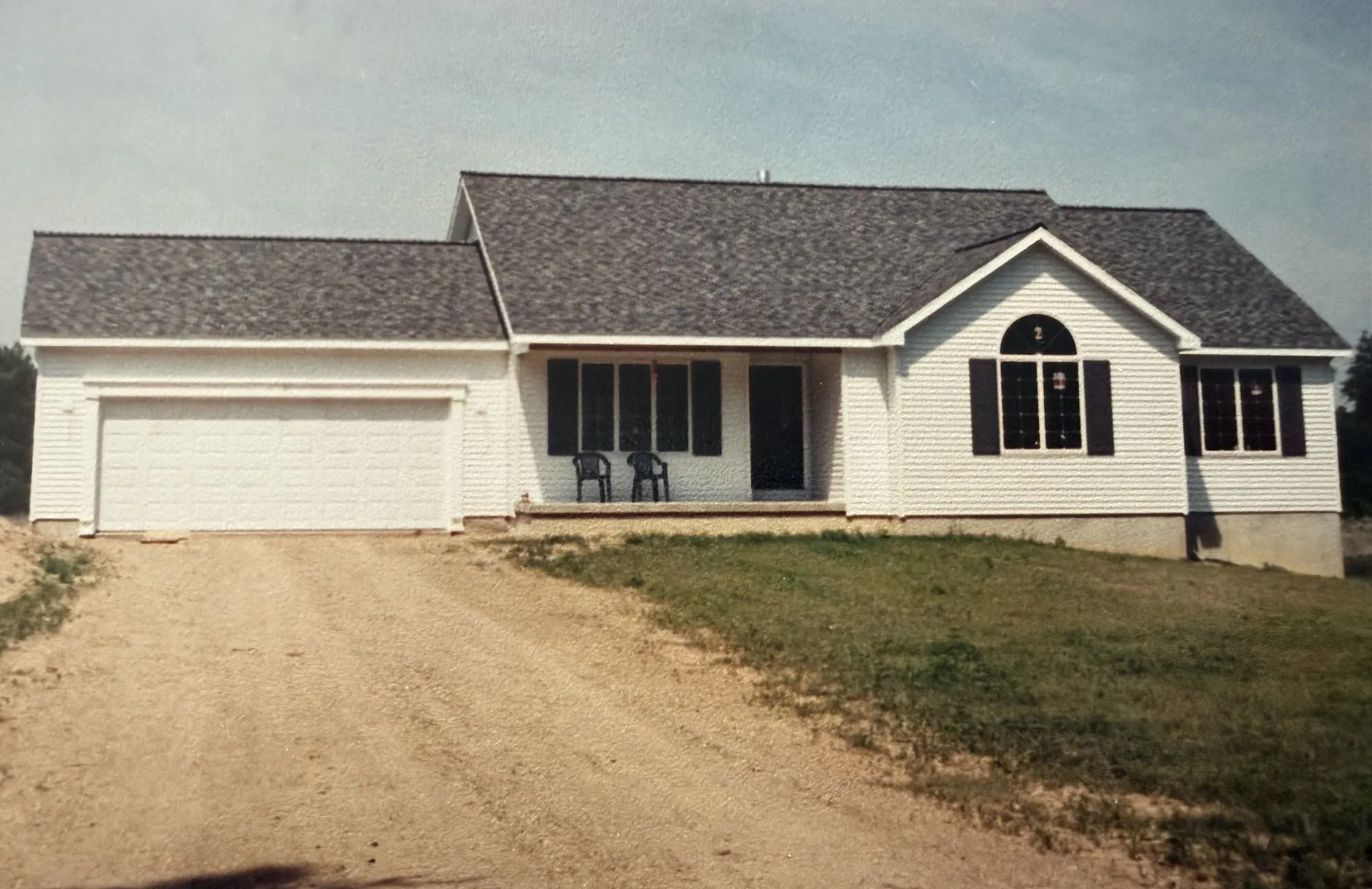
If I build outside the Village of Homer, I should expect a different rulebook, more land checks, and more up-front costs. In most cases, I’m dealing with township zoning, county reviews, private well and septic planning, utility extension costs, and rural driveway approvals.
Before I buy a lot or finalize plans, I’d check these items first:
- Who controls the parcel: village, township, or county
- Zoning and setbacks: what I can build and where it can sit
- Lot size and road frontage: whether the parcel is buildable at all
- Septic and well layout: whether the land can support both systems
- Utility reach: power, gas, and internet may not be at the lot line
- Driveway access: culverts, permits, and road approach rules can add cost
- Site work: grading, wet ground, tree removal, and drainage can add $10,000+ fast on some rural lots
A lot can look fine on a listing and still fail one of these checks. In plain terms: I need to plan the site before I plan the house.
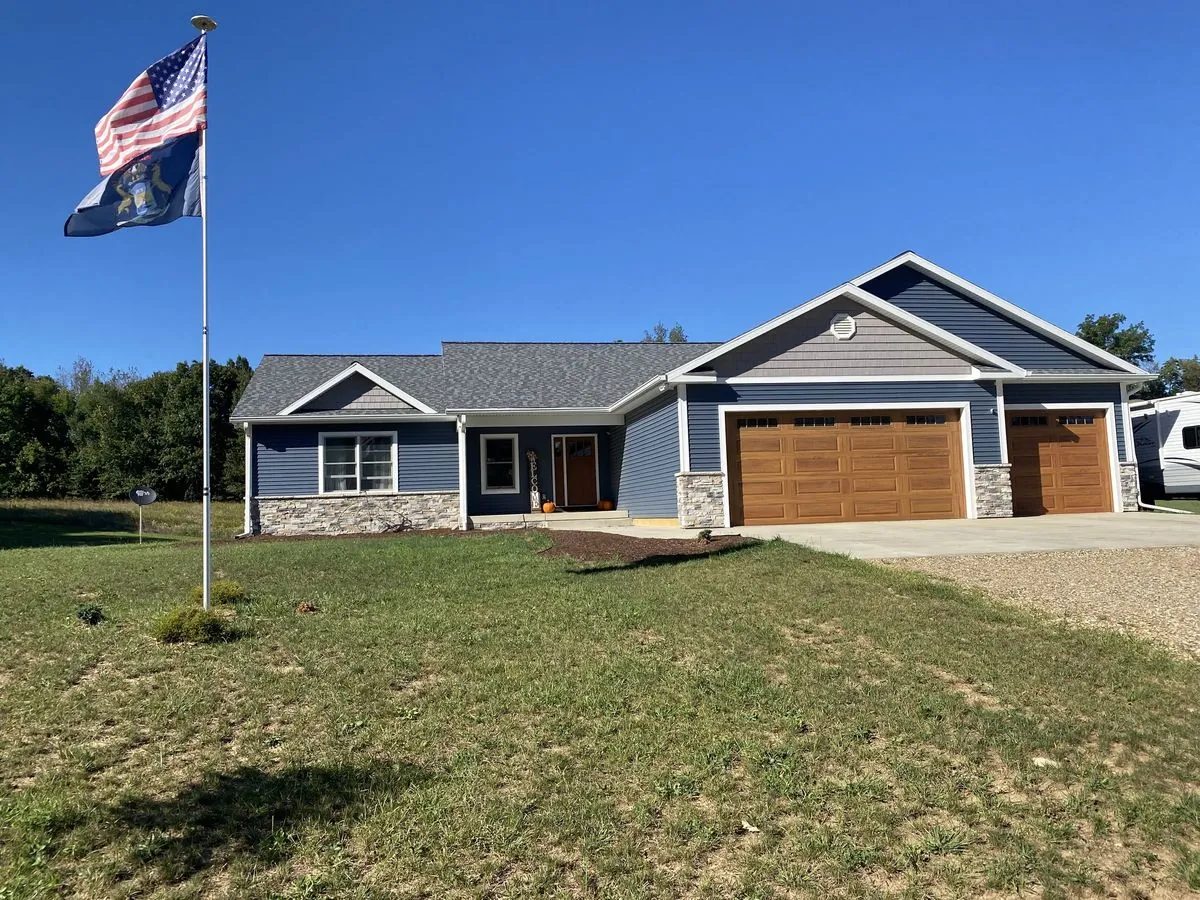
Quick comparison
| Item | Inside Village of Homer | Outside the Village |
|---|---|---|
| Zoning | Village rules | Township rules, sometimes county review |
| Water and sewer | Public service may be available | Private well and septic are common |
| Driveway approval | Village process | County road rules often apply |
| Setbacks | Often more standard | Often larger and less uniform |
| Site work risk | Lower on many in-town lots | Higher on rural parcels |
| Utility access | More likely nearby | May need trenching or line extension |
If I want to avoid delays, redesigns, or surprise costs, I’d confirm the land works before closing on it.
Jurisdiction, zoning, and setbacks outside the village
Outside the village, zoning rules decide what you can build and where it can go on the lot.
How to confirm township, zoning district, and permitted home use
First, confirm which township controls the parcel. Then verify the zoning district, because even nearby lots can fall under different rules.
Once you know the district, check whether a single-family home is allowed there. Also look at the rules for garages, barns, and sheds. Size, height, and placement limits can shape your site plan more than many buyers expect.
Lot size, road frontage, and setback limits to check early
Before you commit to a lot, make sure the land can actually fit the house you want to build. Start with minimum lot size and minimum road frontage. Rural parcels often need more space than village lots to count as buildable.
Setbacks from the front, sides, and rear create the buildable area. That area affects where the house, driveway, and outbuildings can sit. A lot may look big on paper, but the usable space can be much smaller once these lines are mapped out.
That matters even more on odd-shaped parcels or land near wetlands or drains with restrictions. In those cases, setback limits can cut into the usable area far more than the acreage suggests.
Check the township zoning ordinance and the parcel record before making an offer. Then draw the setback lines on a basic site sketch so you can see how much room is left for the house and any outbuildings.
If zoning and setbacks check out, the next step is septic, well, and utility access. Any one of those can still stop the project.
County permits, septic, wells, and utility access
Outside the Village of Homer, many homes need township review, county septic approval, a drilled well, and utility planning before a lot is buildable. That means you can't just look at acreage and assume you're good to go.
Before you commit to a lot, map the septic field, replacement septic field area, well, house, and outbuildings on the same site plan. If the parcel already has a barn, garage, or tack house, lock in that layout early. A site can seem roomy at first glance, then get tight fast once all the required pieces are placed.
How to plan for septic approval and private well placement
The well shapes the layout too. Even on a large parcel, the house, septic field, replacement area, and well all need to fit together without causing conflicts. It's a bit like laying out furniture in a room - you may have plenty of square footage, but placement still matters.
Map that layout before house design starts. If you wait until later, you can end up designing a house that doesn't work with the septic and well placement. Once the septic field, well, and county approval fit the parcel, driveway access becomes the next constraint.
Do not assume electric, gas, or internet reach the lot line
Utility access is not guaranteed. A parcel can look ready on a map and still need major utility work on site. Confirm electric, natural gas, and internet service for the exact parcel before purchase.
If service is far away, the project may need line extensions, new poles, or trenching. That can wipe out the savings of a cheap lot. And if gas service does not reach the lot, plan for propane tank location and delivery access.
Driveway approvals, site prep, and rural road conditions
Once the septic and well spots are locked in, the next thing to map is driveway access. On rural parcels outside Homer, the driveway often turns into a major cost and schedule item before any foundation work starts.
Driveway permits, culverts, and road approach rules
Outside the village, driveway access is governed by local road rules, not just your house plan. The county or township sets the culvert size and where it goes. Pick the driveway location early because it affects house placement, grading, and road access.
How topography, wet areas, and clearing affect your budget
A parcel that looks simple on a map can still cost a lot to build on. Slopes push grading costs up, wet ground can force you to reroute the driveway, and wooded lots add tree removal and stump grinding. That’s why driveway planning needs to stay tied to the same site sketch as setbacks and septic fields.
A planning sequence to avoid costly lot mistakes
A before-you-buy checklist for parcels outside village limits
Once zoning, septic, utilities, and access are in play, run this last check before you make an offer.
A lot of expensive rural-build mistakes happen before closing. That’s usually when buyers are still guessing about zoning, septic, utilities, and driveway access instead of checking them. Start by confirming the township. Then verify zoning, check road frontage and parcel split history, verify septic feasibility with the Calhoun County Health Department, confirm how far electric, gas, and internet service reach, and ask the Calhoun County Road Commission about driveway approval and culverts.
Bring Strouss Construction LLC in early to sketch the building envelope around setbacks, septic, well, and driveway access before you buy.
Inside-village versus outside-village comparison table
The table below pulls the biggest differences into one quick reference.
| Feature | Inside Village of Homer | Outside Village (Township/County) |
|---|---|---|
| Zoning Authority | Village of Homer | Township Board or County Zoning |
| Water & Sewer | Municipal hookups available | Private well and septic system required |
| Permit Contacts | Village office | Township and county building departments |
| Driveway Approval | Village public works department | Calhoun County Road Commission |
| Setback Patterns | Standardized residential lots | Variable, often larger rural setbacks |
| Site Prep Risk | Usually lower on established village lots | Higher (topography, wet areas, tree clearing) |
Conclusion: Plan the site before you plan the house
Treat the land review with the same care as the house design. If you don’t, the lot can shape the project before construction even begins.
FAQs
What should I verify before buying a lot outside Homer village limits?
Before you buy a lot outside Homer village limits, check township zoning and road setback rules first. That tells you whether your building plans line up with local land-use rules.
You’ll also want to confirm that the lot can support a septic system and well, and that a driveway can be approved. On top of that, check what county permits are required. Those steps help you confirm the site is buildable and can save you from delays, surprise costs, or extra prep work later.
How do I know if a rural parcel will support a well and septic system?
You’ll need a formal site evaluation before you buy. In most cases, that means professional soil testing to check drainage and septic-field suitability, plus a review of local groundwater conditions to confirm a well can be drilled to a depth that provides enough water.
Before you move forward, contact your county health department and ask about soil percolation rates and setback requirements. Those two items matter a lot. They determine whether the parcel can support both a well and a septic system, and they also shape where each one can be placed on the property.
What extra costs are most common when building outside the village?
Outside Homer’s village limits, the extra costs usually come from township and county rules. Those rules are often different from what you’d deal with inside the village, and in some cases they’re a bit simpler.
The most common add-ons tend to be septic and well work, added costs for site and utility access, driveway and road approvals, and more site prep to fit rural lot conditions and setback rules.